

The Economy Derailed My Career Plans. Here's What I Wish I Knew Back Then.
What I learned about playing it safe, networking, visibility, and getting promoted from graduating college during the worst job market of my lifetime and having to figure it out anyway.

Welcome to Reframed by Ashley Rudolph. One idea, every week, that changes how you see your career.
I recently reconnected with two former colleagues Michelle Y. Hoover and David Daniels IV. We met almost a decade ago (!!), so naturally we all decided it would be fun to write about the advice we’d give our younger selves. I loved reading through all of our perspectives, especially knowing how much we’ve grown since those days. Michelle writes First-Gen Rising and it’s about what it’s like to be a first-gen professional and uncovering the unspoken rules as you go. David writes DD4 at Work about his experience as an HR leader and provides the kind of unfiltered advice that your HR team can’t. Here’s my story and my advice.
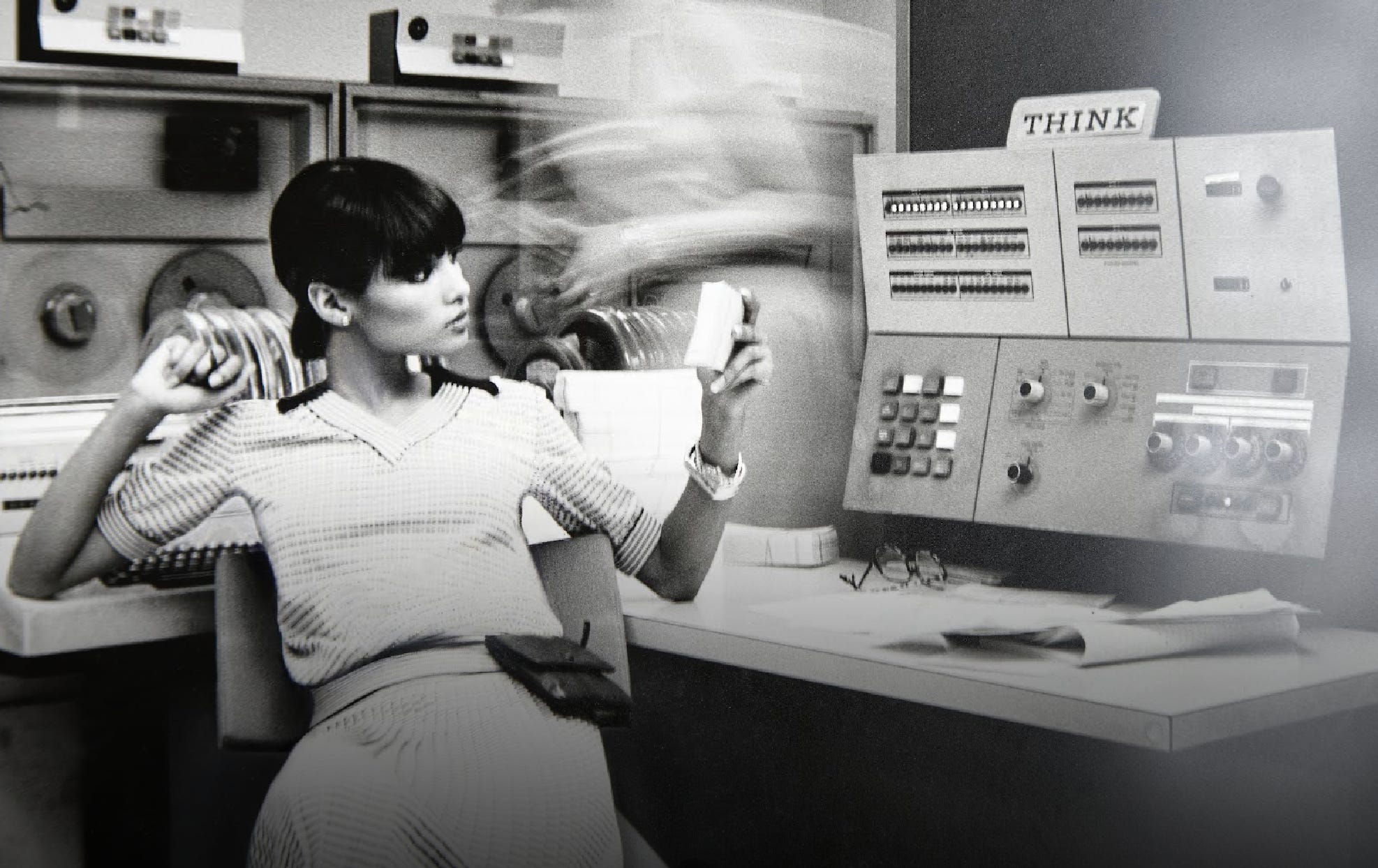
I didn’t know I’d be stepping into a job market completely wrecked by the collapse of our banking system. The economy was in a free fall. Here’s what I wish I knew.
I graduated college in 2008. I didn’t have a job lined up but that didn’t scare me. Up until that point, things had always worked out in my favor. I got into the college I wanted (Babson College, early decision) and I found cool and interesting marketing internships every single summer. Why wouldn’t I find a great job?
What I didn’t know was I’d be stepping into a job market completely wrecked by the collapse of our banking system. There were signs of trouble before graduation day. Some of my classmates had their job offers rescinded. Other companies chose to pause entry level hiring.
The economy was in a free fall1.

The companies I was interested in started to tighten their marketing budgets and freeze hiring. I was jobless and without a playbook. Eventually I had to make a concession: my focus was no longer finding a dream job…it was finding a job.
When I landed a job at a marketing agency, I was less than thrilled about it. I was media buying for print college newspapers — a dying industry. The work, entering paper orders into a computer system, felt meaningless. And on top of it all, I was wildly undercompensated. I had just graduated from a school where the tuition was $50k/year and I took the first job offer I could get, at a whopping $30k per year salary. I felt like a failure.
But I wasn’t. Short-term compromise is a strategy, not failure.
I kept up appearances with friends, we were at the club every weekend in our business casual attire. When I went out, I got there before 11pm (when ladies were free). A necessity because I could barely afford to buy myself a drink.
When I wasn’t having fun, I struggled with feeling like I had failed to launch. Some of my friends and former classmates had more cushy landings post-graduation and I envied them, but others had to make compromises too. Like:
Going back to grad school (a time-honored classic!)
Joining the PeaceCorps or similar programs to gain experience that would set them up for future career prospects in international relations
Substitute teaching temporarily because they couldn’t find full-time teaching positions
Moving back to their hometowns, which meant temporarily taking a lower paying job in a different field
Working an entry level job in their field (I’m talking $20k-40k/year annual salaries), while also taking on part-time work (bartending, retail, babysitting)
Our dreams were deferred, but that didn’t make them meaningless.
One of my friends likes to say that “a setback is a setup for a comeback” and that rings true here. I remember talking to a friend that took an international role with a modest $2k/month stipend. They’re now running an impact investment firm. As for me? I went on to become a VP (with real executive level compensation) just 10 years after that first job. My friends are successful, many of them didn’t have linear career paths.
But sometimes history repeats itself.
Some might say we’re on the brink of another year like 2008. Jobs are being eliminated and dreams are being deferred again. So, I wanted to share the advice I wish I had when I was trying to start my career during a scary and unprecedented time. And “younger” doesn’t exclusively mean 22 and fresh out of college! I learned (and re-learned) these lessons when I faced other hardships like layoffs, toxic work environments, job uncertainty, and isolation during the pandemic. One might say, they’re evergreen.
4 Lessons I Wish I Learned Earlier in My Career
Sometimes playing it safe pays off
One of my current clients is someone I built a cross-departmental relationship with at my first job. That was 18 years ago. I didn't know it then, but building relationships at a job I was embarrassed about became one of the best career investments I ever made. Knowing what I know now, I think playing it safe in terms of “settling” for that job actually ended up being a good decision. It taught me grit and resilience. It kept me busy and productive during a really scary time. The work wasn’t ideal, the compensation was certainly not ideal either, but I worked and, more importantly, I networked. Relationship building is important, even when the effects are not be immediate! FWIW - this HBR article is exactly how I approached relationship building back then.
Not speaking up will cost you opportunities
I rarely spoke up in meetings, especially when execs were in the room. Early in my career, I thought I had to earn that airtime. I overthought everything and didn’t think that anything I had to say was good enough. Until I learned the goal isn’t to say something earth shattering — it’s visibility. I didn’t learn that visibility mattered as much as, if not more than, good work until later in my career.
One simple way to get started with speaking up is to name your action items. It’s low stakes but makes you look present and organized. Here are two phrases I wish I would’ve started using earlier in my career to signal I was on top of the next steps and not waiting for direction:
“So what I’m hearing is that the next step is X — I’ll take that back to my team.”
“I can connect with Beth offline to iron out some of those details.” (If you say this, please actually do it. The follow-up matters.)
I share more helpful phrases in this article.
SPECIAL COACHING OFFER →
I’m working on something exciting and have slots open for 1-2 people who are open to being coached on video. In exchange for being willing to be recorded, I’m offering a $1000 discount.
If you’ve been thinking about working with me and you’re open to being coached on camera, this is a great opportunity. I work best with high performers who are already doing great work, they just need structure, a trusted advisor, and a thought partner to help them build and execute the right strategy. If that’s you, this might look like:
You’re stepping into a bigger role and want to be intentional about how you show up in it
You’re at a level where you need to successfully increase your visibility, political influence, or positioning
You know what you want and you’re ready to go after it, but you want a thought partner to help you get there faster
Interested? Fill out this short form and I’ll be in touch.
Being “good” in a silo doesn’t get you promoted
You should focus on your company’s goals and objectives and make sure your best work aligns with that.
I spent too long being a great operator in a silo. I was doing excellent work on things that weren’t connected to problems that leadership was trying to solve. Unfortunately, you can be genuinely good and still be invisible to the people making decisions about your future, because being good in a vacuum doesn’t register the same way as being good in context. Promotions don’t go to the best performer, it’s not like getting an A on an exam for learning concepts. Promotions go to employees who know how to apply concepts and frameworks to the right context. They go to the people who solve the right problems at the right times and make sure the right people know about it.
If you want to understand how this factors into your promotability, I wrote about how executives make promotion decisions last week.
Show up like you're ready for the next level
It took me six years to learn that you can’t only do the bare minimum or even just meet expectations and expect great things to happen to you in your career.
Sometimes I think about where would I be if I didn’t let the feeling of defeat impact how I performed in my first job. Who knows? The truth is I didn't take that first job as seriously as I should have. But I knew enough to network and that one instinct kept the door cracked.
What I learned much later in tech was something different: how to stop waiting for someone to hand me the next thing. People are calling this "high agency" now. I just call it the thing that actually changed my career. If you want to continue to grow, show up as someone who is worthy of getting growth opportunities. The person who’s worthy of it would ask for it, they would seek them out, they would take on projects and initiatives that demonstrate their readiness for the next level.
CLOSING THOUGHTS
One thing I’m constantly learning is that the career you build is the result of a series of choices you make. Even when the unexpected happens or people make decisions that screw you over, you still have to actively decide what to do next. And that’s powerful.
David Daniels IV newsletter goes live tomorrow and Michelle Y. Hoover’s goes out on Wednesday :)
What’s one thing you wish someone had told you early on in your career?
Good luck. See you next week!
Ashley
Subscribe to Reframed.
Most people find this newsletter the same way: someone they trust forwarded it to them. If this one resonated, subscribe. Then forward it to someone who’d like it too.
Excellent advice as always! As someone who graduated a couple of years after you into peak panic over how anyone could ever find a job, this is all so very true. I really feel for people trying to find jobs now when it feels like a redux of what we graduated into, and I hope this advice can help someone who needs it.
The part about being a doer and an operator hits so hard, I’m switching from early to mid career and how I show up, speak up, and the brand I create matters so much more than the work in itself.