10 Lessons That My 30s Taught Me

Welcome to Reframed by Ashley Rudolph. One idea, every week, that changes how you see your career.
Last week, I published 2 newsletters for paid subscribers only. One announcing the launch of the Reframed Index, a career resource for Reframed Insiders. The other was a recap of the July Insiders call, where we discussed onboarding new team members (+ tips for how to get it right), speaking up in meetings, and next month we’ll be talking compensation. Upgrade to paid to join next month’s conversation and to gain access to the Reframed Index.
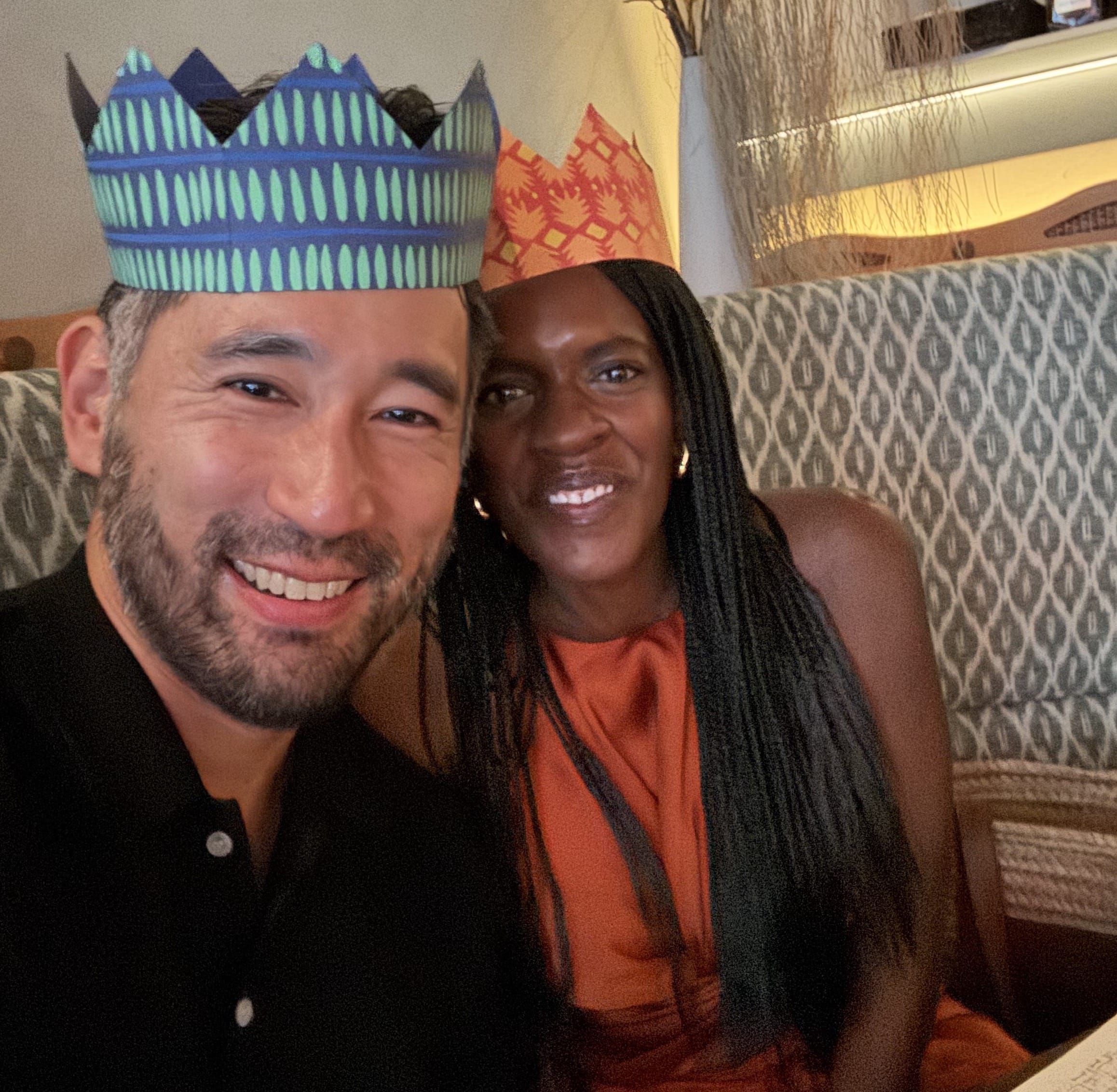
My birthday was on Saturday.
If you read my 100th issue of Reframed back in December, you might remember that this year is a milestone year for me.
(Spoiler alert: I turned 40!)
This year has been good to me in a lot of ways, but for the past few months I’ve been feeling a pull toward change.
The good kind.
I love my work. I love my clients. I spent the last three years building a coaching business from scratch, to a level most coaches can’t and won’t reach on their own and I’m still outperforming my benchmarks: my revenue is up 70% compared to this time last year, this newsletter reaches thousands of leaders at companies like Spotify, Nike, Amex, Goldman Sachs, and The New York Times, and my work has been featured in Teen Vogue (twice) and on 20+ podcasts.
I’m proud of that.
And still, I’ve been feeling a gravitational pull towards more.
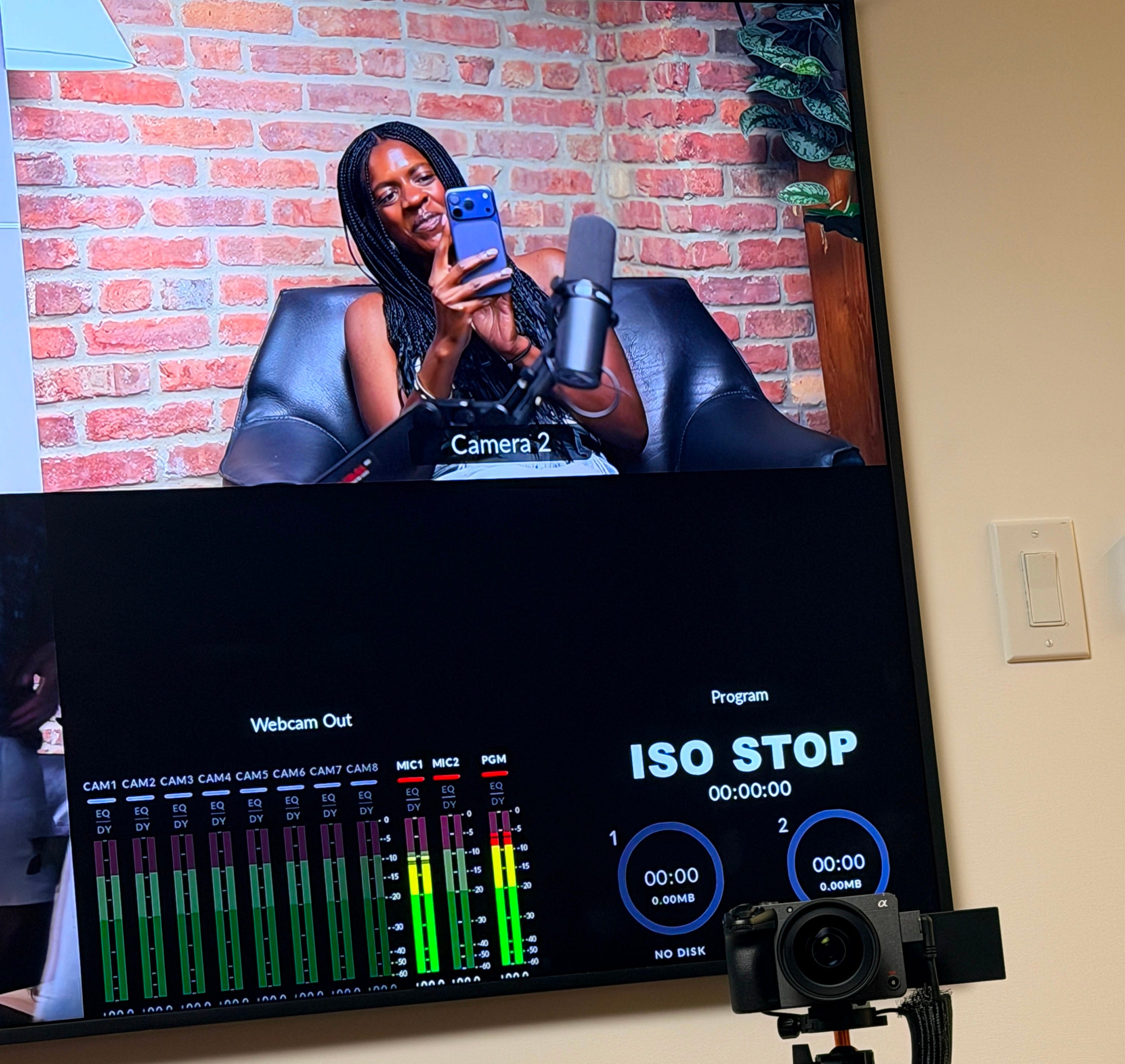
Why millennials are more likely to be feeling “the itch”
Before we get to the lessons, some context.
If you’ve felt this way too, you should know it’s not just you and it’s not just a getting “old” thing. The oldest millennials are turning 45 this year and researchers are calling ours a midlife crisis of purpose and engagement rather than the old guy buys a sports car to feel young again kind of crisis (Fortune). NPR dedicated a whole episode to surviving it. Meanwhile The Hill cited research that 60% of workers feel stuck in their careers and executive millennial women are increasingly opting out of corporate and into consulting, ditching the girl boss playbook of the 2010s entirely.
So many of my millennial friends and clients started asking “what is it all for?”. It’s easy to say work is broken for everyone; the discomfort being a reality of the life stage we’re in is a harder pill to swallow.
My own data says the same thing. Hundreds of you have taken my free career quiz and the results are striking:
41% of respondents consistently exceed expectations at work, but only 24% believe leadership sees them as a leader.
76% aren’t confident they’re seen as promotable, even though their work gets respect.
And 84% can’t confidently answer where they see themselves in 5 years. To be fair, I don’t think many people can in general these days…
This is the exact mid-career hum of uncertainty and dissatisfaction I’m talking about.
10 lessons my 30s taught me
Turning 40 forced me to look back. The lessons below are what got me through my millennial itch with some real answers.
My 30s were a decade of:
Growth (I became an executive in my early 30s. It’s the decade where I once went from a 5% merit increase to a VP promotion in one week)
Risk (I left corporate to start my own business in my late 30s)
Self-awareness (I learned to love myself for who I am, not just what I can do)
All these things set a solid foundation for what’s to come next. Here are some of the most important lessons I learned in the past decade.
On growing into yourself
1. You can shrink yourself to get ahead, but is it worth it?
A client asked me recently when I started wearing braids at the office. I told him the truth. The first time I wore braids to the office in my 20s, my manager saw me walk in and had a very dramatic and loud reaction to my hair. She meant it as a compliment, I felt othered. I just wanted to show up with a new hairstyle. I didn’t want it to be “a thing”. Her reaction made me shrink, her intention was the opposite.
I stopped wearing braids to work.
I didn’t start again until my 30s. Until that point my hair was blown out and for a period of time adorned with honey blonde highlights.
I started wearing braids again after I became a VP.
When I showed up this time with braids, another black executive pulled me aside and admitted that he waited until he was director-level before wearing protective styles.
That was in 2022.
To this day, people ask me versions of this question all the time: can I wear my curls when everyone else’s hair is straight and still get promoted? I won’t pretend that bias isn’t a thing, research has proven that it exists. But I do know that the best thing I did in my 30s was stop editing myself.
My takeaway here isn't as straightforward as "wear your natural hair”. It's not about curly vs. straight vs. protective styles. It's about the freedom that comes with wearing your hair however the f*ck you want to without thinking twice about how it'll be perceived or whether it'll handicap your career.
I felt trapped by feeling like I had to make those calculations for a long time.
The best thing my 30s gave me was finding a way out of that loop.
Today, that reaction wouldn’t make me stop wearing braids, but I still remember that moment
2. Surround yourself with people who intimidate you a little. It’s the fastest way to grow.
I watched this happen in real time at Off the Record. I looked around the room and couldn’t help but think: this is what alchemy feels like. Afterward, hearing everyone else say the same thing made me realize how much being in a room of great people pushes you past your own conception of what’s possible. Some smart people insist on doing everything alone. Save yourself the time. Bringing brilliant people together is the more inspired path.
“I looked around the room at one point and was a bit in awe and humbled in a way that made me feel seen yet inspired for more.”
— Liela Touré, Communications Expert, OTR attendee

On making career decisions
3. Hitting the level you’ve been aiming for can kill your motivation and it’s shocking when it happens.
It happened to me. You chase a title for years, you get it ahead of or alongside everyone else, and then the motivation disappears because you accomplished the goal. Naturally, you start asking what is it all for. Or you feel like walking away. It’s why there are so many names for this (midlife crisis, the millennial reckoning, etc).
No one can tell you what decisions to make in your career. Not your friends, not your parents, not social media. No one. Living up to everyone else’s expectations drains you. You have to decide what you want from your career for yourself.
4. Leave to uplift yourself, not for revenge.
I rage quit a few times. It was rarely worth it.
There were lessons in all of them, but if I could do it over, I’d spend that energy understanding what I actually wanted, beyond the surface-level stuff, and optimizing for that instead. Here’s how to know when it’s time to quit.
5. Thinking about something is not doing it.
Smart people burn years designing the perfect plan for the perfect job or the perfect opportunity. It doesn’t exist. You get where you want to go through small consistent actions or by being bold enough to do something big. (And yes, clarity before action. But sometimes the right action is what breeds the clarity.)
DO THIS: TAKE ACTION THIS WEEK
I saw an article in Fast Company, where the author shared that the biggest opportunities of her career didn’t come from perfect emails. They came from the emails she almost didn’t send. So here’s your reminder to send that email you’ve been afraid to send this week.
6. Your promotability comes down to three factors: your work, your ability to influence others, and your company’s context.
Most people only optimize for doing great work, the others are just as consequential. My ability to get to VP was based on me learning how to manage up and build relationships with the right executives. People on the internet dismiss this as ass kissing, it’s not. They’re social skills.
Earlier this year, I asked 6 executives how they actually make promotion decisions and none of the responses were “they just did great work”. It’s much more nuanced than that.
In my quiz data, only 14% of respondents usually get what they ask for in raise and promotion conversations. The other 86% aren’t doing worse work. They’re under-investing in the other two factors. Once you know where you stand across all three, you’ll know if you have to leave to get what you deserve. But please, negotiate first (here’s the playbook I used for 9 raises in 8 years).
If you want an unsentimental deep dive on the influence piece, read Jeffrey Pfeffer’s Power.
On protecting your energy
7. Learn the difference between passion and anxiety, because they look identical from the outside.
When my career was taking off and I was getting promoted from the Manager to Director levels, I worked a lot. It was harmonious passion. I remember being so lit up by my work that pouring hours into it felt right.
When I hit VP, I was constantly overworking because I was driven by anxiety and a lack of boundaries between my work and personal life.
Knowing the difference between when you’re in a flow state vs. overworking is how you protect your health. I didn’t know the difference between both modes, I thought my success was simply from putting in long hours alone.
It wasn’t.
Both look like a path to burnout to others. Only you can tell them apart. Pay attention to what type of work or environment makes you operate above your baseline and what drags you below it.
When something fuels you? Pour yourself into it. When it doesn’t, recalibrate.
8. Don’t put off doctor’s appointments for your job.
I fell into a pattern of prioritizing my work over my health and ended up needing surgery. Maybe it’s just me, but the consequence was serious enough for me to make it a cautionary tale on this list. Don’t be like me.
On challenging yourself
9. When you keep "getting lucky”, it's not luck anymore.
It's the decisions you're making and the skills that you've built stacking up. If you keep having lucky breaks, do an audit: what's actually driving your wins? Name those things, then lean on them intentionally.
Luck is buildable btw. I wrote a whole strategy for it.
10. Be intentional about learning.
Left alone, life becomes a series of tasks: wake up, work, eat, sleep, repeat. Same job, same routine, same experiences on a loop. That’s how stagnation happens. If you don’t want to be in maintenance mode, you have to actively decide how you want to stretch yourself.
Take that class. Be a beginner again. For me this year, that’s looked like taking pottery class, enrolling in a series of seminars at the UN (I was invited to be a civil service delegate last week at the Secretary General Town Hall), and signing up for Jane’s Walks.

So, what am I cooking up for my next decade?
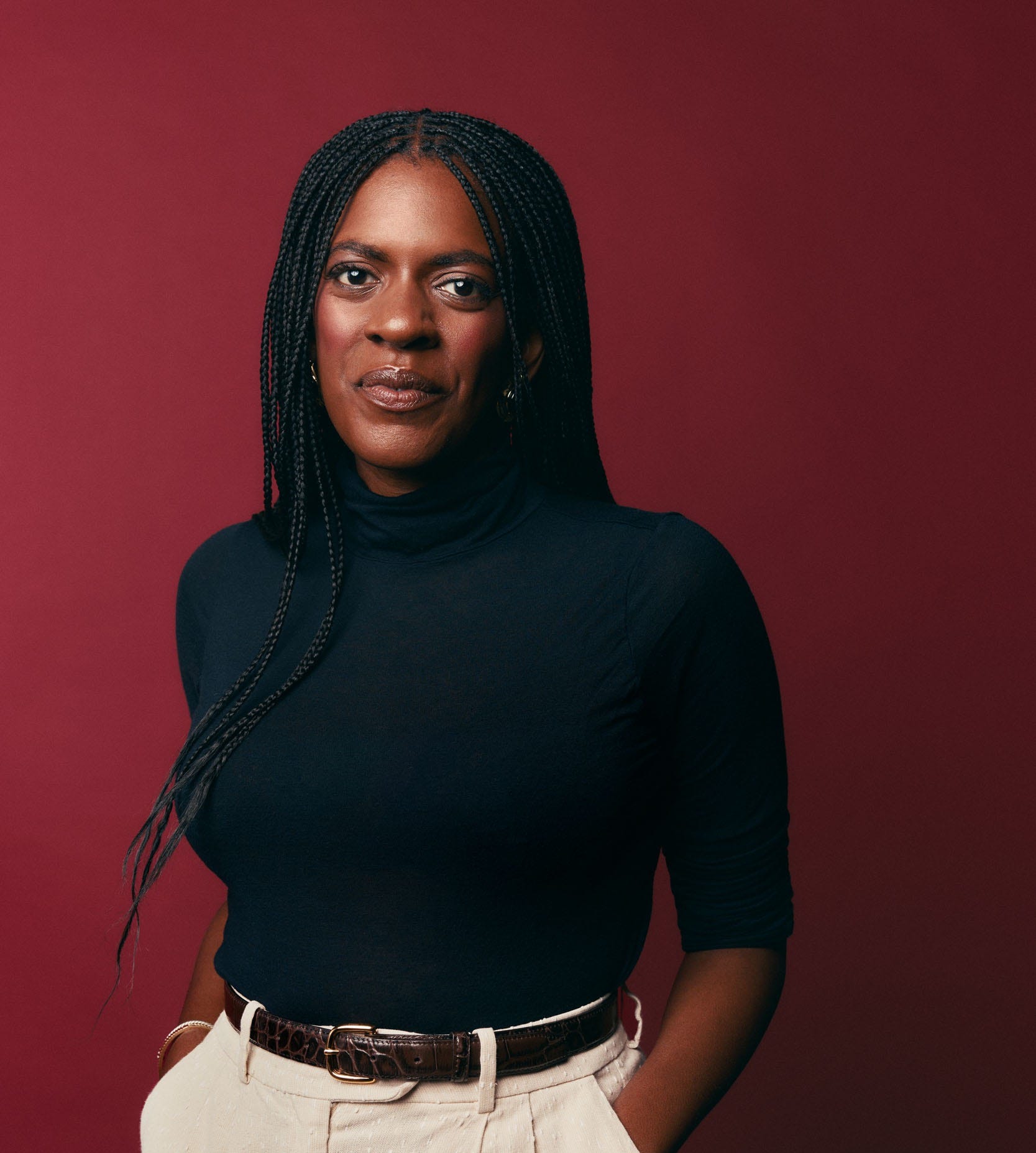
Remember the itch I mentioned above? I'm no stranger to it. I see it in my clients all the time.
For the past 2+ years I've been using a framework in my coaching called the REF Method: Reflect, Explore, Find. When someone is ready for their next step but not entirely sure what it is, I tailor the framework to their situation and we work through it together. By the end of the exercise, they know what they want to do next, they’ve positioned themselves for it, and their lives change. They step into new roles. They make time for travel and for hobbies that they convinced themselves don’t fit into their schedule.
But most importantly, they’re no longer stuck.
You’d never guess any of this from the outside, by the way. Everything looks great on paper for them. The hardest struggles are the ones that are imperceptible to everyone around you.
Most high achievers I know have a 2-4 year itch. We step into a new role and get really good at it in record time.
Then the urge to go after something bigger comes along.
I started my business in July 2023; this month marks my 3 year business anniversary.
A month ago, I did REF for myself.
I dug into what’s been working, got clear on what I want to be focused on, and built an action plan that matches the ambitions I have for myself right now, not 3 years ago.
I audited my energizers and my drainers.
The answer was clear, I’m ready for more.
Since I unlocked what needs to shift, I’ve felt the exact same confidence, clarity, and groundedness my clients describe. It works.
Here's where I landed: coaching is just one thing I do, but it’s part of a larger vision. I run a leadership firm. My 40s are about going bigger.
More soon.
Good luck! See you next week.
Ashley
TRY THE REF METHOD FOR YOURSELF
If you want to try it, start where I start every client. Draw two columns, label them energizers and drainers. Track one week of your life. Every meeting, task, and conversation either goes into the energizer column or the drainer column. Most high achievers have never seen their own data. A week of tracking will tell you where you stand.